 عبدالرحمن رضا

Every dollar owed during this time for goods and services already delivered makes up a critical asset on your balance sheet, Accounts Receivable (AR). Effective AR management ensures the liquidity and financial stability of your medical practice. Monitoring AR helps you maintain the cash flow you need to pay employees, bills, and invest in new technology and services. When it comes to the steps in accounts receivable process, analytics and reporting are essential for understanding how your AR functions are performing and where improvements are needed.
What is the difference between accounts receivable and accounts payable?
- First, it provides immediate cash flow, which can be used to pay bills or invest in the business.
- When your billing system is integrated with your electronic health records (EHR), you can submit claims electronically and reduce data entry errors.
- Bookkeeping is the process of recording financial transactions, including bills receivable, in a systematic and organized manner.
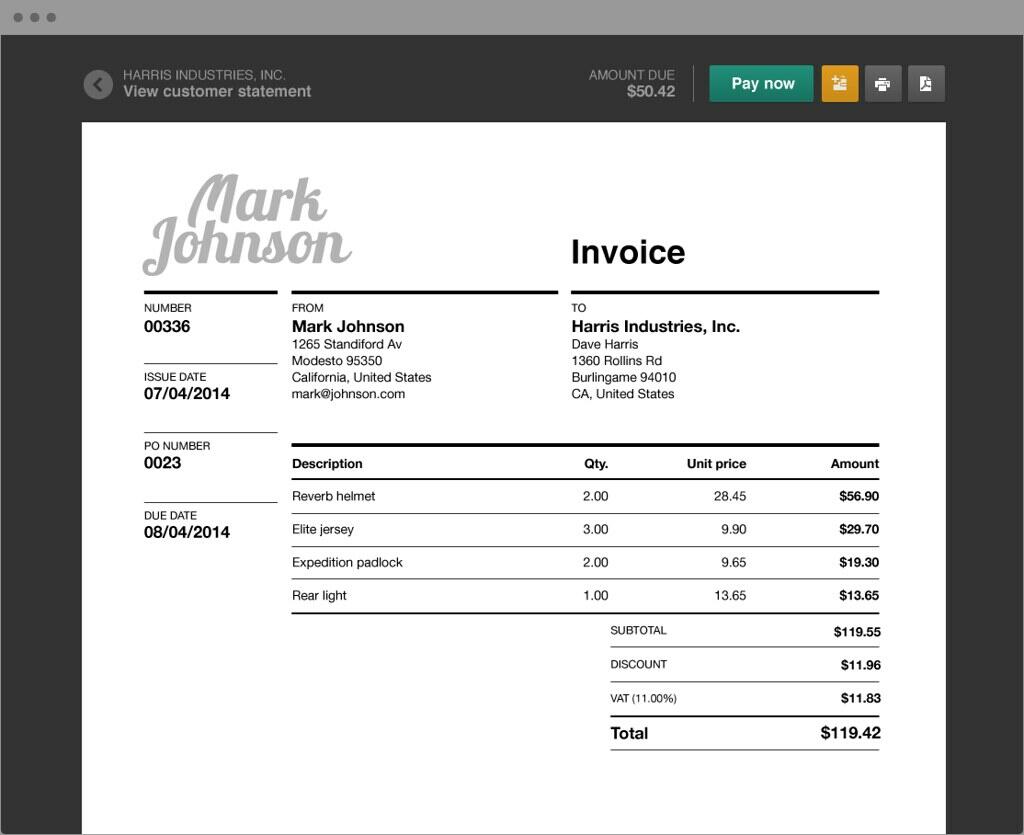
- Billing is part of accounts receivable and is defined as the process of generating and issuing invoices to customers.
- Having built centralized, reliable workflows for your invoicing efforts, you’ll be in a much better position to monitor and forecast cash flows.
- Aging reports classify receivables according to how long they have been unpaid.
This strategy streamlines the collection process and avoids any confusion for your customers. Similarly, clear AR collection policies ensure you can take a proactive approach to addressing overdue accounts and streamlining your workflow. Your collection policy should highly focus on proactivity rather than reactivity. Instead of chasing a late payment, send multiple payment reminders before the due accounts receivable in healthcare date (check out our payment reminder templates!). The right technology can reduce days in AR by 20-40% while freeing staff for higher-value tasks.
Accounts Receivable in Medical Billing
Managing bills receivable and accounts payable is crucial for a company’s financial health. It is important to keep track of these amounts and ensure that they are paid on time. Late payments can result in penalties and damage the relationship between the company and its suppliers or customers. By automating your accounts receivable processes, you’ll gain the ability to simplify and optimize every aspect of the workflow. With AR automation you’ll minimize manual work, reduce errors, speed cash flow, gain real-time business insights, and improve the customer experience. By automating the accounts receivable process, businesses can benefit from speeding up invoice generation and reducing manual billing errors.

See how much your business can save with A/R automation
Your growing Accounting Periods and Methods business can increase the likelihood of receiving customer payments on time by improving how you handle accounts receivable. Here’s what you can do to streamline your accounts receivable process and improve customer relationships simultaneously. To track accounts receivable, the AR department traditionally generates invoices manually using basic accounting software or paper processes. However, this stops being efficient quickly—especially for growing businesses. Effectively tracking and managing accounts receivable is crucial for keeping cash flowing and running your business smoothly.
- Practices under 30 days are top performers, while those over 50 should implement immediate AR reduction strategies.
- Here are some ways our specialized experts tackle the challenges of account receivable management.
- Offering multiple commonly accepted payment options like cards, ACH, wire transfers, and digital payments like Venmo and PayPal is important.
- Using an automated system driven by rules makes it easy to scale production to meet your changing needs.
- This gives a more realistic picture of the cash the company can expect to receive and is the figure typically reported on the balance sheet.

When a patient has multiple insurance policies, COB errors can lead to claim delays or incorrect payments. Insurance companies often delay claim payments due to internal inefficiencies, requiring frequent follow-ups. The AR department needs to create and distribute customer invoices that are accurate, timely, and professional. This includes customizing invoice formats to represent your brand while meeting customer requirements, generating invoices, implementing quality Cash Flow Statement control checks, and ensuring prompt delivery.
- Use our dashboard template to visualize key performance indicators (KPIs) and easily manage your accounts receivable.
- In the complex ecosystem of a medical practice, Accounts Receivable in Medical Billing functions as the vital circulatory system.
- Analyzing payment patterns and customer behavior can reveal opportunities for improvement, highlight potential risks, and guide strategic planning for growth.
- Integrating real-time eligibility verification with billing processes helps avoid claim denials and accelerates payment timelines.
- It gives you an opportunity to demonstrate your understanding of the importance of accuracy in billing and your competence in achieving it.
- A higher AR days ratio indicates a backlog in your practice’s financial process.
How can providers prevent claim denials before submission?
Called a short payment, it adds another layer of complexity for your AR team. Contact our billing experts today to learn how we can optimize your medical accounts receivable management and improve your bottom line. Gross accounts receivable is the total amount of money a patient owes to a healthcare provider for the rendered care services. Throughout the blog, we have reiterated the importance of insurance eligibility and benefits verification.